

Event Overview
Church facilities are often maintained reactively—fixing what fails instead of planning for longevity. Drawing on observations from hundreds of facility condition assessments, this session explores practical ways churches can extend maintenance intervals and reduce long-term costs by selecting better materials, repair methods, and maintenance cycles.
Participants will learn how strategic decisions—such as using fluid-applied roof coatings instead of full replacement, selecting longer-life repair materials, and timing maintenance correctly—can significantly extend the life of major building systems. Real-world examples from church campuses will illustrate how thoughtful stewardship can turn short-term repairs into long-term solutions. The goal is to help churches move from a cycle of constant patching to a strategy of sustainable facility care.
Participants will:
- Identify repair approaches that extend service life rather than simply restoring a system to its previous failure point.
- Evaluate alternative repair and renewal strategies—such as fluid-applied roof coatings versus full replacement—and understand when each approach makes sense.
- Use proper maintenance and repair intervals to prevent small issues from becoming large capital expenses.
- Make stewardship-driven facility decisions that reduce long-term costs while improving reliability and longevity across church campuses.
About the Instructor:
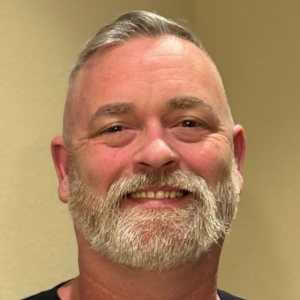
Nathan Parr has spent more than two decades working with churches and ministries to help them care well for the facilities entrusted to them. During his eight years with Smart Church Solutions, he has personally conducted facility condition assessments covering over 8.5 million square feet of church and private school facilities in 27 states. His work focuses on helping churches move from reactive repairs to thoughtful, long-term facility stewardship. Nathan holds a Th.M and an MBA, and he and his wife—together since 1993—are grateful for their three children and their growing family, including their first grandchild.